



















































When a film or television show’s music and sound effects are crafted with intention and treated as core parts of the storytelling, they can transform good scenes into unforgettable ones.
In Apple TV+’s critically acclaimed series Severance, the filmmakers did just that. They flipped the traditional approach on its head by letting music and sound dictate the story’s tone and rhythm. This resulted in a rich, immersive world that pulls the audience in.
RELATED READS: The Music That Moves the Cut: How the Score from “Severance” Uses Music to Shape Emotion
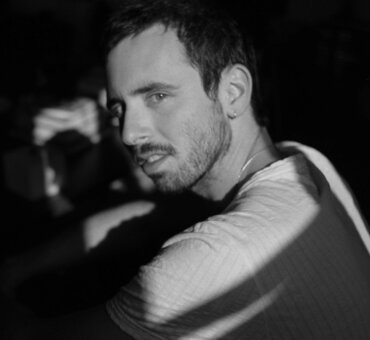
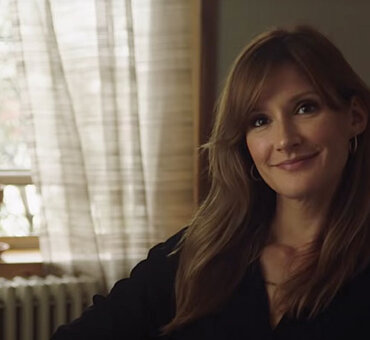
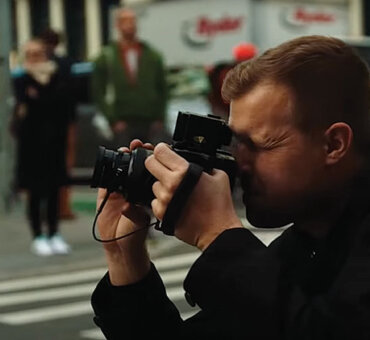
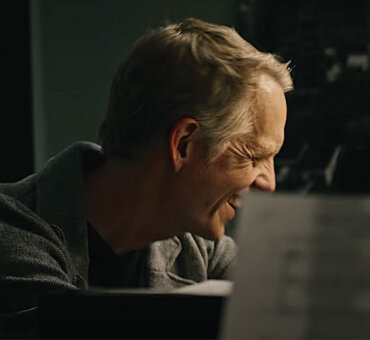
Hear from the editing team behind the hit show’s second season. Geoffrey Richman ACE, Joe Langauer, and Keith Fraase ACE discuss how the team used music and sound design as a guiding force in shaping the narrative.
MUSICBED: So, with relatively few exceptions, the concept of recording music cues ahead of time is pretty unusual.
Keith Fraase ACE: It’s always a huge help to build a temp with material from the composer that you might actually end up using in the final, because it’s a whole process if you have to replace it with something completely different.
The music being available lets us start experimenting.
When I do early cuts, I’ll lean on music to help with the tone and push me in a certain direction.
That already set us off on the right foot, and was a huge help to me, and I assume Joe as well, with our not having worked the first season.
RELATED READS: Music Meets Vision: Director David Lynch & Composer Angelo Badalamenti
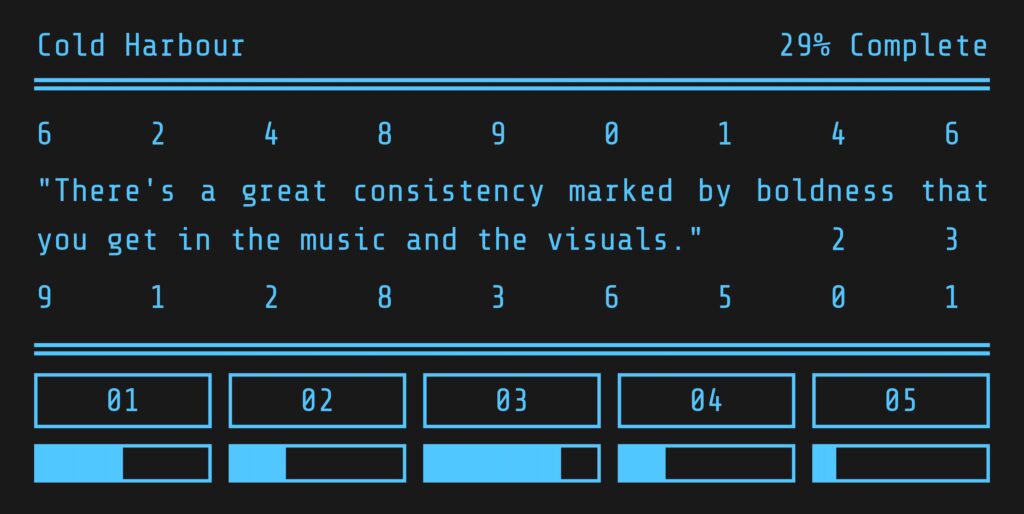
Joe Landauer: There’s a confidence that comes with Teddy [Shapiro]’s music that just imbues the whole series. It reminds me of the show’s use of color. There’s a great consistency marked by boldness that you get in the music and the visuals.
Working with confident storytellers who know when to make bold moves visually and sonically draws you in, and you’re completely caught up in it.
Keith Fraase ACE: We had Teddy available to us throughout. He would write full suites, long pieces that we could choose sections from and play around with. And he’d sometimes do some quick compositions over our rough edits, too.
He works insanely fast, so it is a wonder to behold all that music coming at you with such tonal consistency.
Geoffrey Richman ACE: I can’t imagine cutting this show without Teddy’s music. It is so much a part of the language and the tone of this series that it shapes the tone in many scenes and is a necessary part of our edit process.
Even pulling elements from his suites or previously scored scenes, to have something to lay down, helps give us that tone.
Then he will go back in later, seeing what we have done, and he’ll modify that reused cue, reworking it just so, twisting it by adding a layer on top or changing the tempo.
It’s always a treat to get a scene that you cut finessed in this way.
RELATED READS: How to Tell a Story with Music: A Look At Wes Anderson’s Famous Scores
Musicbed: So musically, it’s like when you’re in a VFX situation. You have to evaluate multiple iterations in pursuit of a particular effect. Did sound design work in a similar fashion?
Keith Fraase ACE: We had a lot of sound effects that had already been built for season one, along with new things for season two that the sound team had given us. I lean a lot on sound effects, building a soundscape, and putting the picture over it.
These are all very unique sounds, and I definitely timed out certain things based on sounds that had already been built.
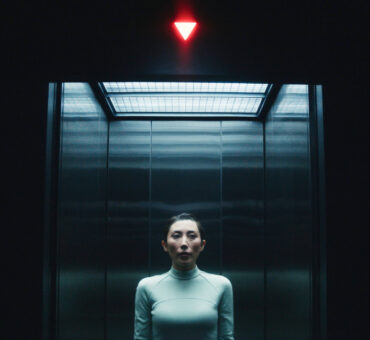
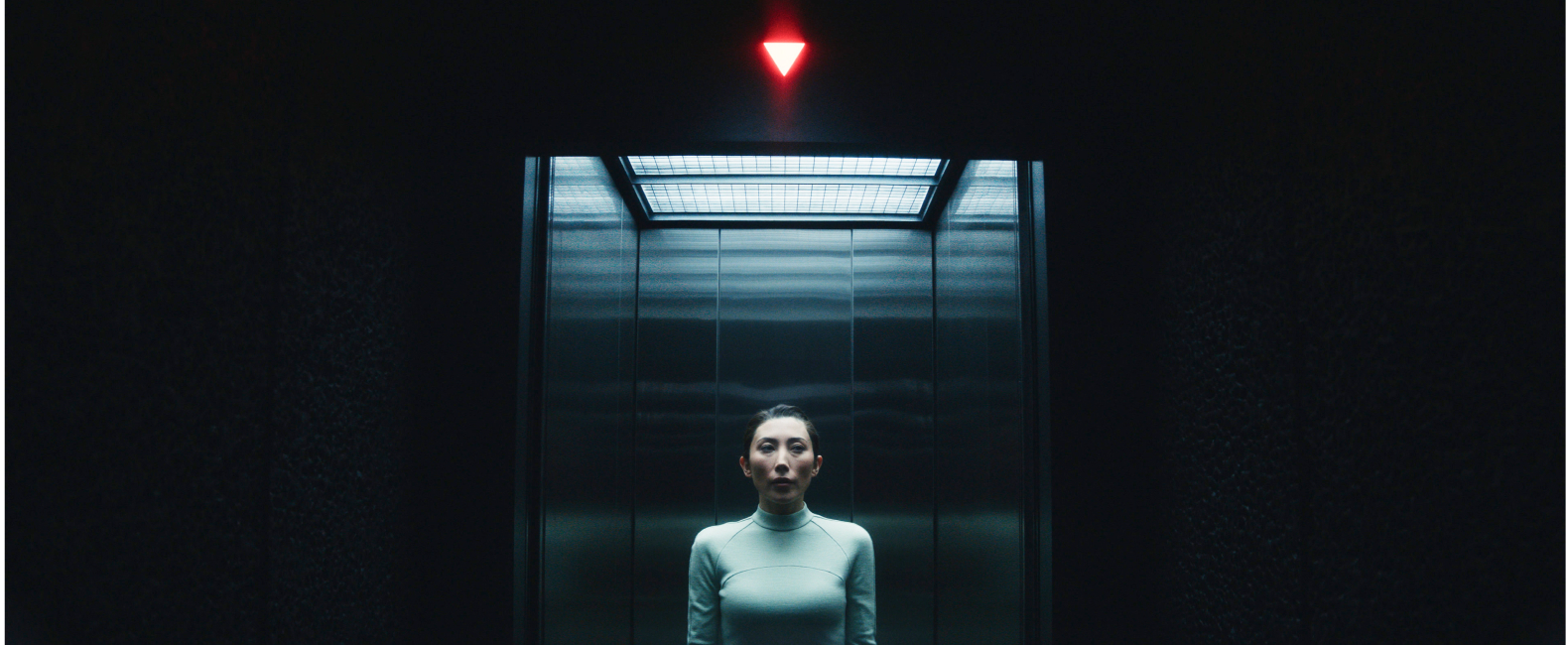
We have the fritzing [when the character goes from innie to outie in the elevator], and I definitely like using sound effects to help with rhythm. I’m sure I would have drowned without having these kinds of tools in the kit.
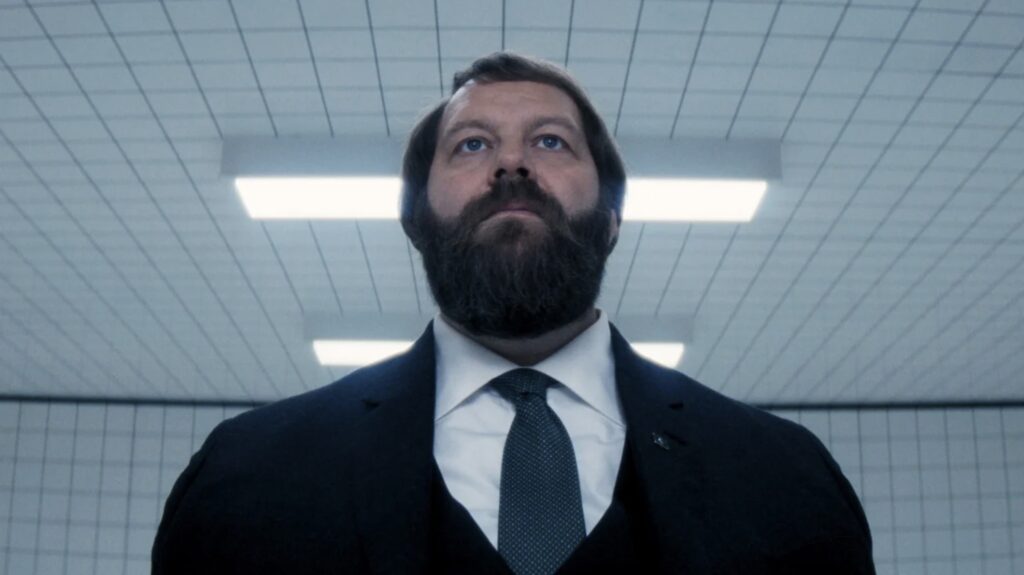
Musicbed: One thing I noticed specifically in the last episode is that the elevator door sound almost has a musical quality to it. It’s especially musical when it keeps slamming on the dead guy bleeding out in the hallway.
Geoffrey Richman ACE: I’m so happy you picked up on that scene in particular! We spent a lot of time on that, right from the beginning.
Ben [Stiller] was very specific. He wanted to keep hearing the sound of the door opening and closing as Mark walked further away from it.
The sound of the doors in motion has to always match the position of the doors in the visual, so maintaining continuity was important. Matching the rhythm was essential.
My assistant editor, Tom Knight, spent a lot of time on that repeating elevator sound, and sound designer Jacob Ribicoff took it to the next level when we did the mix.
RELATED READS: What Makes a Sound Iconic? A Filmmaker’s Guide to Film SFX
Musicbed: So you can ask sound to customize the Severance library elements in order to give things a particular weight or emotional aspect? That’d be like taking a natural recorded element and putting it through a process like a flanger.
Geoffrey Richman ACE: Jacob and re-recording mixer Bob Chefalas have worked on these aspects right from the start of season one. They’re always very in tune with the show’s language.
So, there was a developing shorthand, with them knowing how to translate a sound into Severance sound, whether it was reverb or volume-related.
Joe Landauer: At the end of episode six, when Mark collapses and goes into convulsions, I had originally temped with music across the whole sequence.
But then the decision was made to suck the music out at some point and hold on to this muted silence, punctuated by sound effects.
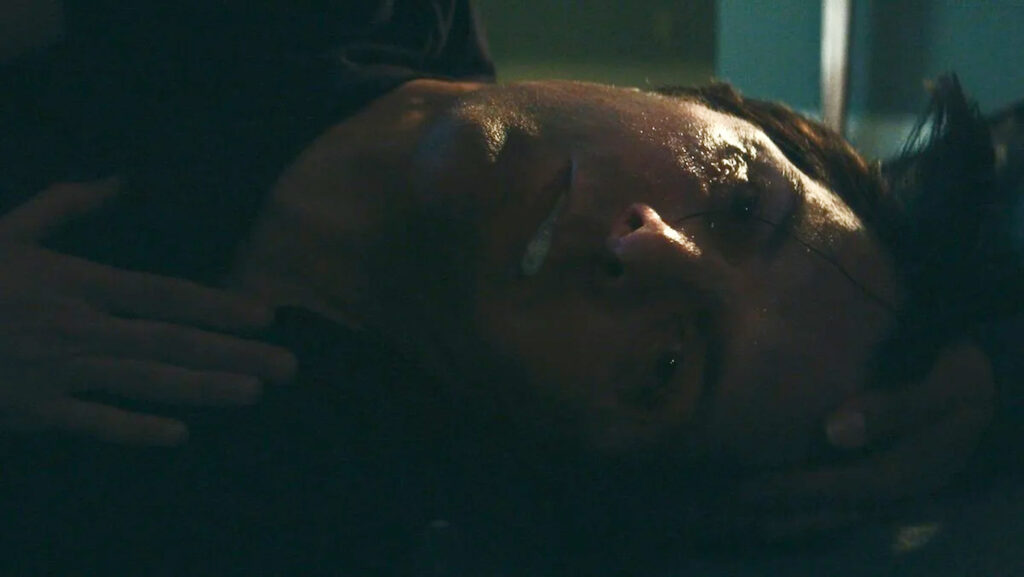
That really made the scene play. It was such a joy, this delightful surprise, to hear what they subtly but very appropriately introduced. It firmed up an idea in the same way Teddy’s music did, and this welcome back-and-forth between sound approaches was incredibly helpful.
RELATED READS: How Director Quentin Tarantino Uses Music to Elevate His Films
As the Severance team proves, the right music and sound aren’t afterthoughts, but are fundamental parts of the creative process. They set the tone, define the rhythm, and stand as an essential element of storytelling.